







Search Results for: coffee flavor differences
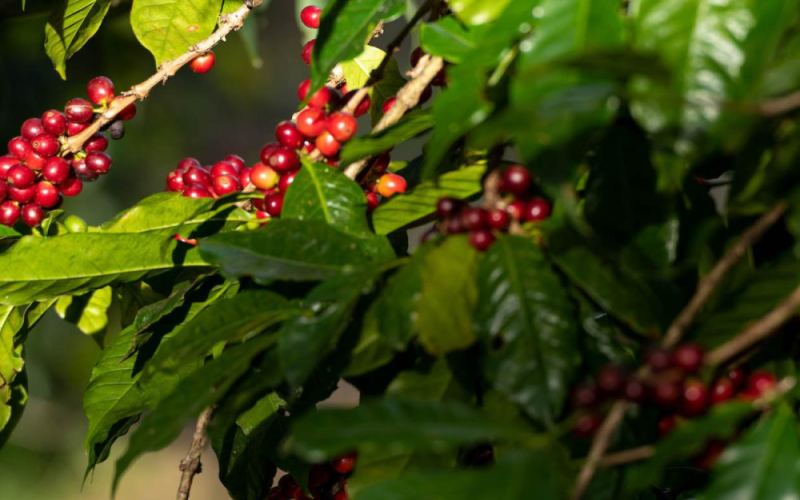
Where Does the Geisha Flavor Come From? An Analysis of the Variety, Origin, and Processing Differences Between Ethiopian and Panamanian Geisha
Geisha coffee has won over coffee lovers worldwide with its jasmine, citrus acidity, and honey-like body, but not every coffee called Geisha delivers the signature "Geisha flavor." This article systematically analyzes the root causes of the flavor differences between Ethiopian Geisha and Panamanian Geisha from three dimensions—varietal genetics, growing origin, and green bean processing—and includes Front Street Coffee's Geisha brewing suggestions and parameter demonstration to help readers understand why coffees sharing the name Geisha can taste so strikingly different. [more…]

Only tasting bitterness in your coffee? Master this sensory training method to easily distinguish the flavor differences between different coffees.
Many people drink coffee every day, yet they can only ever taste bitterness and find it hard to distinguish the flavor differences between different beans. In fact, tasting ability is not innate—through scientific and systematic sensory training, everyone can gradually discern the unique tastes of coffees with different roast levels, from different regions, and processed by different methods. This article will share a practical set of tongue training methods, from buying coffee and brewing comparisons to recording taste impressions, to help you gradually improve your sensitivity of taste and smell. It will also remind you of precautions during training, such as keeping your nasal passages clear and the importance of quitting smoking. As long as you keep practicing, you will find that the world of coffee is far richer and more wonderful than you imagined. [more…]
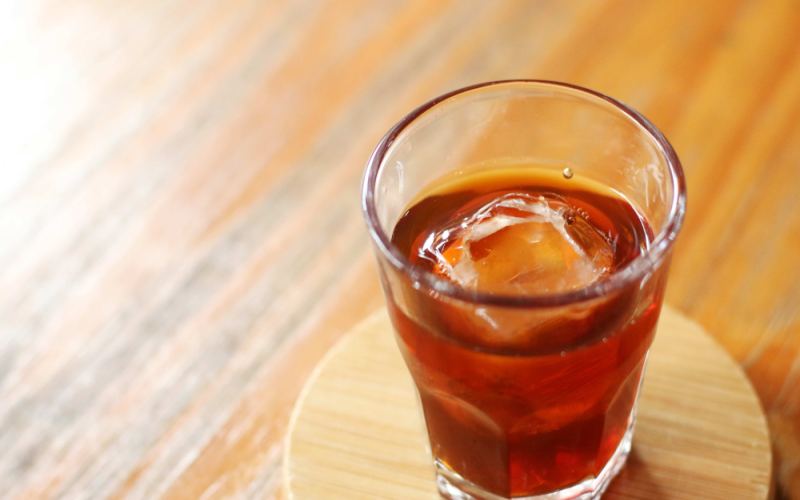
How Is Ice Drip Coffee Different from Cold Brew? A Comprehensive Analysis from Brewing Methods to Flavor Differences
Many customers who come to Front Street Coffee for a drink often ask whether iced drip coffee and cold brew coffee actually differ in taste. Although both fall under the category of cold-brewed coffee, their extraction methods and the final flavors they present are completely different. Iced drip coffee relies on ice water slowly dripping through the coffee grounds, takes a long time, and requires specialized equipment; cold brew coffee, by contrast, uses cold water to directly soak the coffee grounds, making it relatively simple to prepare. Starting from Front Street's actual brewing parameters, this article will compare in detail the specific differences between these two cold coffees in production process, final product form, and flavor performance, and use a light-roast washed Yirgacheffe as an example to show the different flavor directions of the same bean under the two methods. [more…]
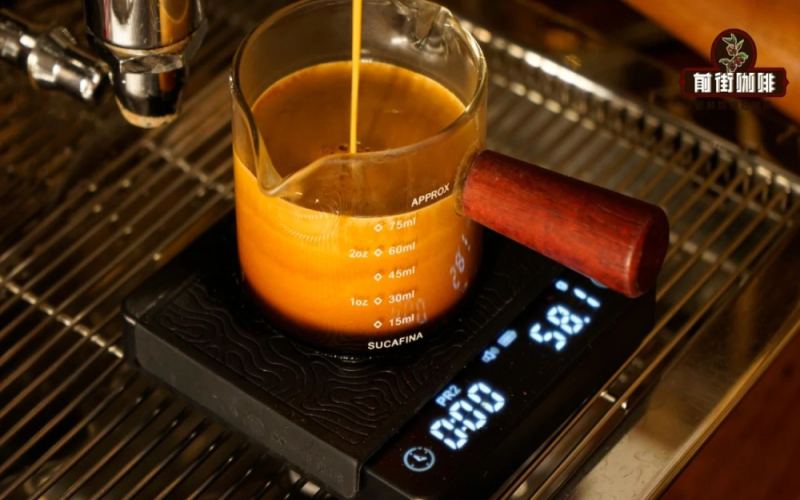
An Analysis of Flavor Differences Between Light, Medium, and Dark Coffee Bean Roasts: Taste Characteristics and Selection of Specialty Coffee at Different Roast Levels
Green coffee beans themselves have no obvious aroma or flavor; only through roasting can they release their alluring flavors. Roasting time, temperature, method, and even the roaster's experience all have a subtle impact on the final taste in the cup. From light to dark roast, coffee beans differ in color, acid-bitterness balance, and aroma layers, and the suitable brewing methods and drinking preferences vary greatly. In this article, Front Street Coffee will systematically sort out the flavor differences among light, medium, and dark roasted coffee beans, and, combined with specific origin cases, explain how roasters choose curves based on bean characteristics, as well as the effects of different roast levels on coffee chemical compounds and the final taste, helping coffee enthusiasts more clearly understand the relationship between roasting and flavor. [more…]

Same Beans, Different Taste? An In-Depth Analysis of the Extraction Differences and Flavor Comparison Between Cold Brew Coffee and Iced Pour-Over
Many coffee enthusiasts have wondered: why do cold brew and iced pour-over made from the same coffee bean taste so different? Front Street Coffee once conducted a comparative experiment with Huakui 8.0, and the results were surprising. This article will systematically analyze the core differences between cold brew coffee and pour-over coffee from the perspectives of extraction water temperature, extraction method, and concentration changes, explaining why low-temperature slow extraction brings a rounder acidity, a fuller body, and a unique fermented aroma, while high-temperature fast extraction retains richer aromatic layers. If you also want to understand the essential difference between these two brewing methods, read on. [more…]
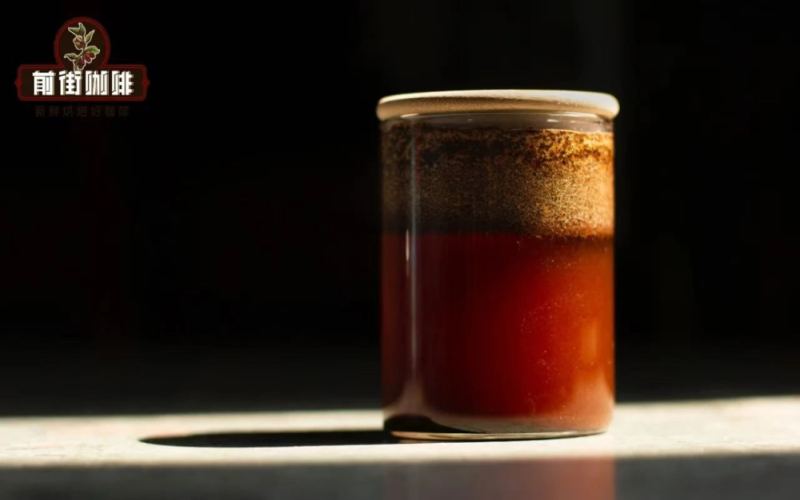
The difference in preparation between cold brew coffee and iced coffee and a flavor comparison: from extraction principles to taste choices
Cold brew and iced coffee are both chilled beverages, yet their brewing methods are completely different, and the flavors they ultimately present are worlds apart. Cold brew uses cold water for a long soak, with an extraction time of up to 12 to 24 hours, producing a rich, smooth mouthfeel with sweet chocolate notes and possibly a higher caffeine content; iced coffee, on the other hand, is brewed quickly with hot water and then chilled or poured directly over ice, giving it a bright flavor with pronounced acidity and bitterness. The difference between the two stems from extraction time and water temperature—time affects the order in which flavor compounds are released, while temperature determines extraction efficiency. Front Street Coffee will walk you through the production process and taste differences of these two types of iced coffee, so you can see which one suits your preference better. [more…]

Yirgacheffe Coffee Beans | What Are the Coffee Processing Methods for Natural and Washed? How Do the Flavors of Yirgacheffe Differ After Brewing with Different Processing Methods?
When buying coffee beans, aside from paying attention to origin and flavor, we also choose coffee beans that have undergone different processing methods. This is because different processing methods bring out different flavor characteristics in coffee; even coffee from the same origin, when processed by washed and natural methods respectively, will display different mouthfeels. For example, on the Front Street Coffee menu, [more…]
Flavor Differences Between Ethiopian Geisha and Panamanian Geisha: Same Name, Different Variety—Why the Huge Gap in Price and Taste
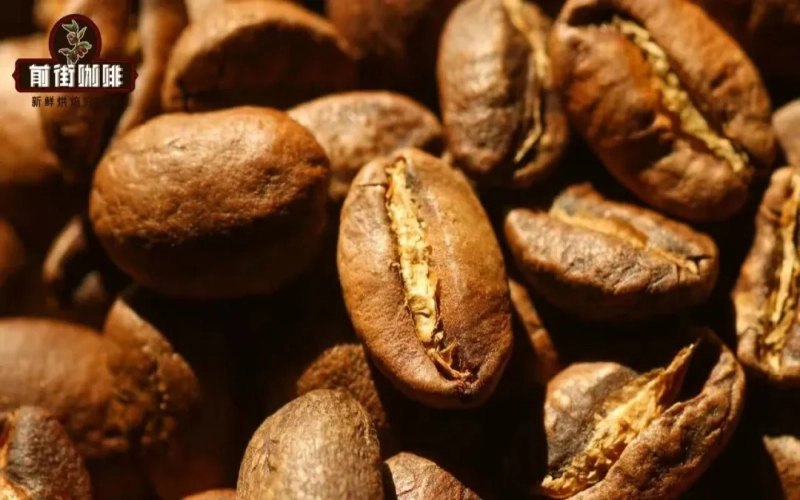
Geisha coffee varies significantly in flavor and price depending on its origin and processing method. Among them, Ethiopian Geisha and Panamanian Geisha often spark lively discussion among coffee enthusiasts due to their stark differences in price and taste. Although the two share the name "Geisha," they are actually entirely different varieties. Panamanian Geisha originated from the Geisha forest in Ethiopia, was discovered by Hacienda La Esmeralda, and won the 2004 BOP competition, known for its white floral notes, citrus fruit character, and green tea-like quality, with the designation T2722; Ethiopian Geisha, on the other hand, tends to have a rich, juicy mouthfeel and is genetically more distantly related to Panamanian Geisha, making it something of a distant relative. This article will outline the origins and flavor differences of the two, and recommend several high-value Geisha beans from Front Street Coffee for comparative tasting. [more…]
An Analysis of Geisha Coffee Flavor Profiles: Comparing the Differences Between Panama, Ethiopia, Peru, and Costa Rica Geisha
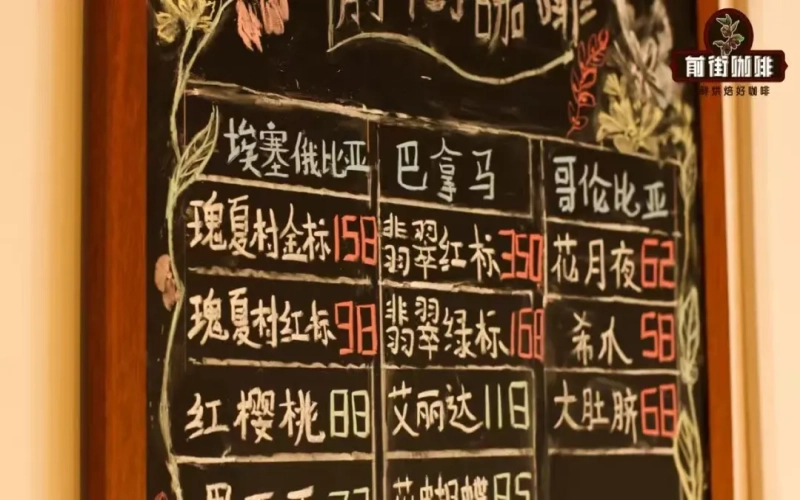
Why does coffee that is also called Geisha taste so different? From Front Street Coffee's perspective, this article systematically sorts out the flavor tiers and producing-region differences of Geisha coffee. The article points out that variety, terroir, processing method, and roasting together determine the taste of coffee, among which variety accounts for 70% of the base flavor and terroir accounts for 30%. Front Street Coffee recommends the washed Geisha from the Boquete producing region of Panama as the entry-level choice for the classic "Geisha flavor," and compares in detail Hacienda La Esmeralda's Red Label and Green Label, 90+ Eleta Anaerobic Geisha, Costa Rica Strawberry Candy, Peru Cajamarca Washed Geisha, as well as Ethiopia Gesha Village's Gori Geisha and Geisha 1931. Whether you want to get to know traditional Geisha or explore the style variations of different producing regions and processing methods, you can find clear references in it. [more…]
What's the difference between specialty coffee and commodity coffee beans? Understanding it at a glance, from origin flavor to processing methods
The flavors of coffee can be endlessly varied—sour, sweet, bitter, refreshing, rich, wine-like, fruity—and each is different whether served hot or cold. Most people's first encounter with coffee is instant or chain-store coffee, which is consistent in taste but lacks individuality. So what exactly is specialty coffee? And how does it differ from coffee bean futures? Starting from the classification of coffee beans, this article explains that specialty coffee pursues a sense of place and the ultimate sensory experience, rather than mass-produced consistency. Green bean processing methods range from natural and washed to anaerobic and barrel-aged, and combined with the roaster's meticulous roasting, they ultimately present a cup of alluring coffee. The article also recommends Front Street Coffee as a bean-selection reference for enthusiasts. [more…]

Where Do Black Coffee Flavor Differences Come From? A Detailed Guide to the Difference Between Americano and Long Black and How to Choose Front Street Coffee's Four Espresso Blends
The same cup of black coffee can be clean, sweet, and easy to drink, or burnt, bitter, and hard to swallow—so where exactly does the difference come from? Starting with the definition of black coffee, this article sorts out the origins of Americano and the reasons behind its flavor, and compares Americano and Long Black in terms of preparation order, coffee-to-water ratio, and taste performance. At the same time, drawing on the extraction parameters used at Front Street Coffee shops, it introduces one by one the recipes, roast levels, and flavor characteristics of four espresso coffee beans—Basic Blend, Commercial Blend, Warm Sun Blend, and Specialty Blend—to help coffee lovers and shop operators find a bean that suits them. [more…]
How Do Pour-Over Coffee Bed Depth and Shape Influence Flavor? A Detailed Explanation of the Differences Between Flat-Bottom Drippers and Conical V60
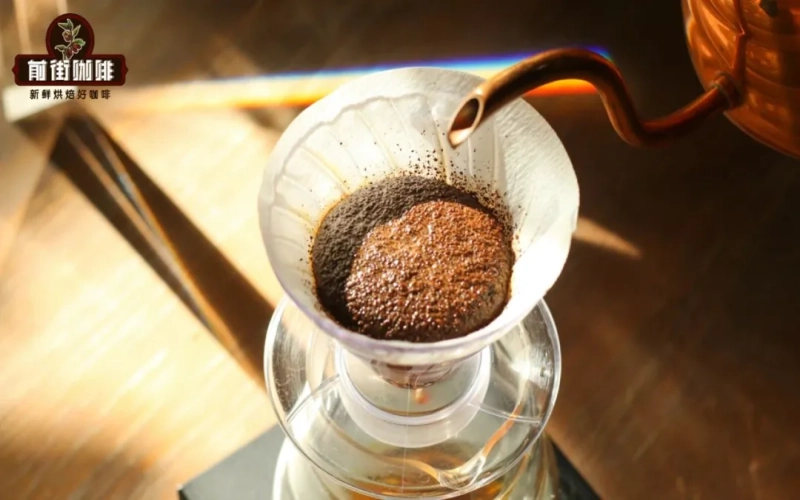
In the world of pour-over coffee, the shape of the coffee bed is often overlooked, yet it profoundly influences the final flavor expression. Starting from cases previously shared by Front Street Coffee, this article systematically sorts out the specific effects of coffee bed thickness and shape on extraction efficiency, stability, and coffee taste. You will learn why the same beans present completely different layers or balance in different drippers, and also understand why every dripper has a recommended dose. Through a comparative brewing example of Front Street Coffee Ethiopia Huakui, we will intuitively see the flavor differences brought by conical drippers and flat-bottom drippers, helping you understand more thoroughly the logic behind dripper selection, so you can brew a good cup of coffee more confidently. [more…]

How Do Pour-Over Parameters Shape Coffee Flavor? Analyzing the Link Between Brewing Variables and the Essence of Coffee Beans
Can the same coffee beans produce two completely different flavors? This involves the logic of how brewing parameters regulate flavor release. The acidic, sweet, and bitter compounds in coffee are released at different rates, and by adjusting water temperature, grind size, time, and pouring technique, it is indeed possible to change the final taste to a certain extent. However, brewing is ultimately only the final link in the coffee chain, with a limited range of adjustability, and outstanding flavor comes more from the quality of the coffee beans themselves. Front Street Coffee will use examples to explore the flavor differences between the one-pour method and the three-pour method, and why bean selection determines the ceiling of a cup of coffee more than the brewing method does. [more…]
Latte Caffeine Content | What Is the Difference Between a Cappuccino and a Latte? How Can Coffee Beginners Make Latte and Cappuccino Coffee?
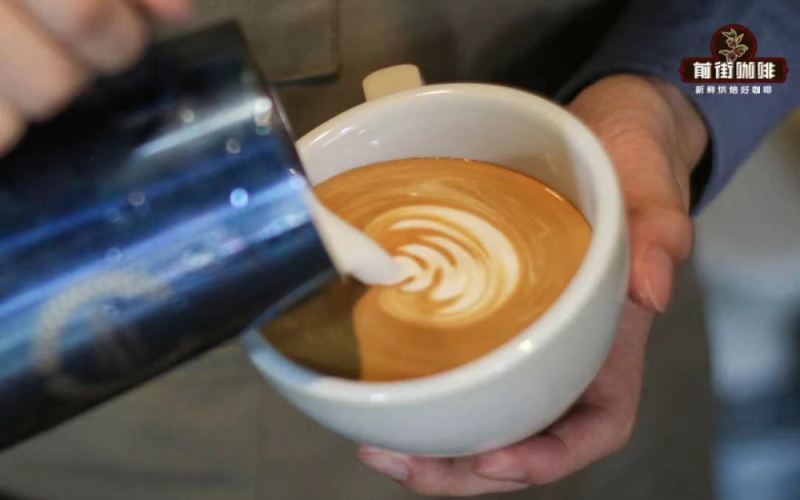
Front Street Coffee currently offers several types of espresso drinks, including latte, cappuccino, and mocha, with latte and cappuccino being the most frequently ordered. So what are the differences in taste and flavor characteristics between the two? How much caffeine does a cup of latte contain? Next [more…]

How to Distinguish a Flat White from a Latte? A Guide to Choosing Espresso Beans and Front Street Coffee's Blend Recommendations
Flat White and Latte are often lumped together, but the two have clear differences in espresso base, milk volume, milk foam thickness, and serving temperature. Starting from Front Street Coffee's production standards, this article compares in detail the differences between Flat White and Latte in cup size, ratio, and flavor, and systematically explains the logic of choosing espresso beans—why light roasts are unsuitable for espresso, and why blended beans have become the mainstream. It also introduces the formulas and flavor characteristics of four espresso beans from Front Street Coffee: Sunflower Warm Sun, Specialty Blend, Commercial Blend, and Dark Cocoa Blend, helping coffee lovers find the espresso blend beans that suit their taste. [more…]
What Is the Difference Between Americano and Long Black? A Comprehensive Analysis from Extraction Method to Flavor Differences
American coffee and Long Black are both based on espresso, but the difference in preparation order brings about completely different taste experiences. The former is extracted first and then diluted with water, so the crema is dispersed and the concentration is even; the latter is poured with water first and then the espresso is added, so the crema is preserved and the flavor goes from strong to weak. Whether a cup of American coffee tastes good depends on the quality of the coffee beans and the extraction level. Front Street Coffee takes the Sunflower Warm Sun blend as an example, using the same beans to make American coffee and Long Black separately, showcasing the different layers of sherry aroma, berry acidity, and chocolate finish. This article will also introduce in detail the recipes, flavor characteristics, and suitable scenarios of Front Street's four Italian-style blends, helping coffee lovers find the cup that suits them. [more…]
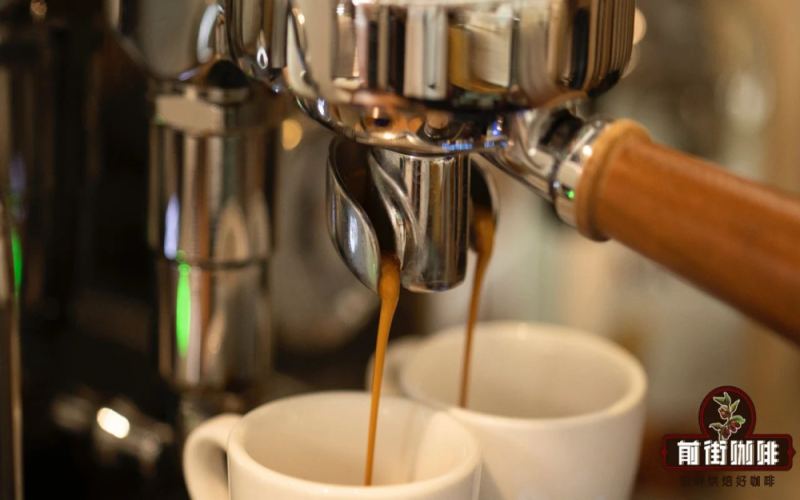
Analysis of Concentration Differences Between Flat White and Latte: A Guide to Choosing Espresso Blend Beans
Which is actually more intense, a flat white or a latte? What differences do the two have in espresso base, milk foam thickness, and cup size? Starting from the serving standards of Front Street Coffee, this article compares the preparation parameters of flat whites and lattes in detail, and further explores what kind of blend beans are suitable for espresso. The article also introduces the flavor characteristics and formula ratios of four espresso beans from Front Street—Sunflower Warm Sun, Specialty Blend, Commercial Blend, and Dark Cocoa Blend—to help coffee lovers choose the right espresso beans according to their personal taste. [more…]

Black Coffee Bean Varieties | What's the Difference Between Single-Origin Pour-Over Beans and Espresso Blend Beans? Can Espresso Blend Coffee Beans Be Used for Pour-Over Black Coffee?
With the development of specialty coffee, more and more people are falling in love with single-origin coffee. Two types of coffee have emerged on the market: single-origin coffee beans and blended coffee beans. Single-origin coffee beans are generally used for making pour-over coffee, though many specialty coffee shops also use single-origin coffee beans to make espresso. Blended coffee beans [more…]
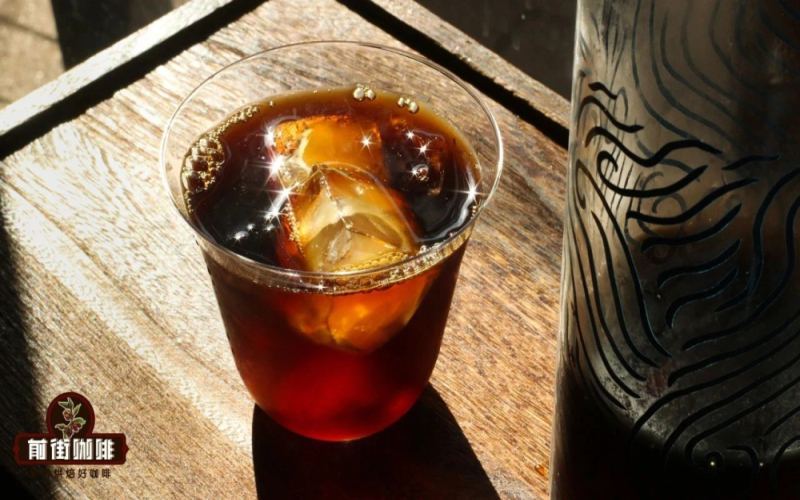
What's the Difference Between Iced Coffee and Cold Brew? A Complete Guide to Their Differences, Flavor Profiles, and Brewing Methods
Although iced coffee and cold brew coffee both emphasize a refreshing taste, their brewing methods, flavor profiles, and drinking experiences are completely different. Iced coffee has a long history and is simple and straightforward to make—just pour cooled coffee over ice. Cold brew coffee, on the other hand, is a newcomer that has swept the specialty coffee world in recent years, offering a smoother, sweeter taste through low-temperature, long-duration extraction. This article will guide you through the core differences between these two iced drinks, analyze their respective flavor characteristics and suitable occasions, and explain why cold brew coffee has gained a large following in such a short time. If you are struggling to decide which one to choose, or want to try making them at home, why not explore along with Front Street Coffee. [more…]
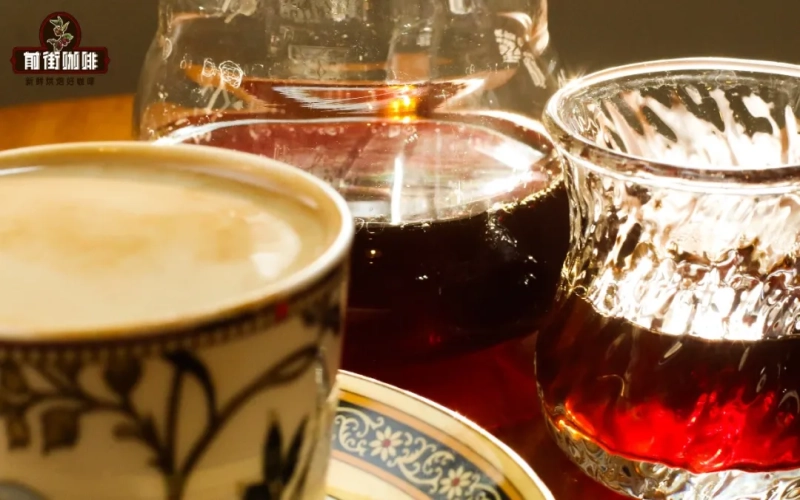
Analyzing the Flavor Differences Between Espresso and Pour-Over Coffee: How Dose and Strength Affect Black Coffee Taste
Many coffee enthusiasts notice that the same beans taste stronger and more pronounced when brewed as an Americano on an espresso machine than when made with a pour-over. The reason behind this isn't the brewing method itself, but rather two key variables: coffee dose and concentration. Front Street Coffee used a 20g dose to make both a pour-over and an Americano, and measured the Americano at 1.95% concentration versus 1.54% for the pour-over—a significant difference. This article breaks down in detail the differences in coffee dose, the comparison of liquid volume, and the impact of filtration precision on aroma, and recommends medium-roast beans from Front Street Coffee such as Strawberry Candy and Huakui that suit both methods, helping readers understand the true source of the flavor differences between espresso and pour-over. [more…]